Underwater lighting is rarely tested on day one.
It is tested years later, by salinity, pressure, and the reality of limited access.
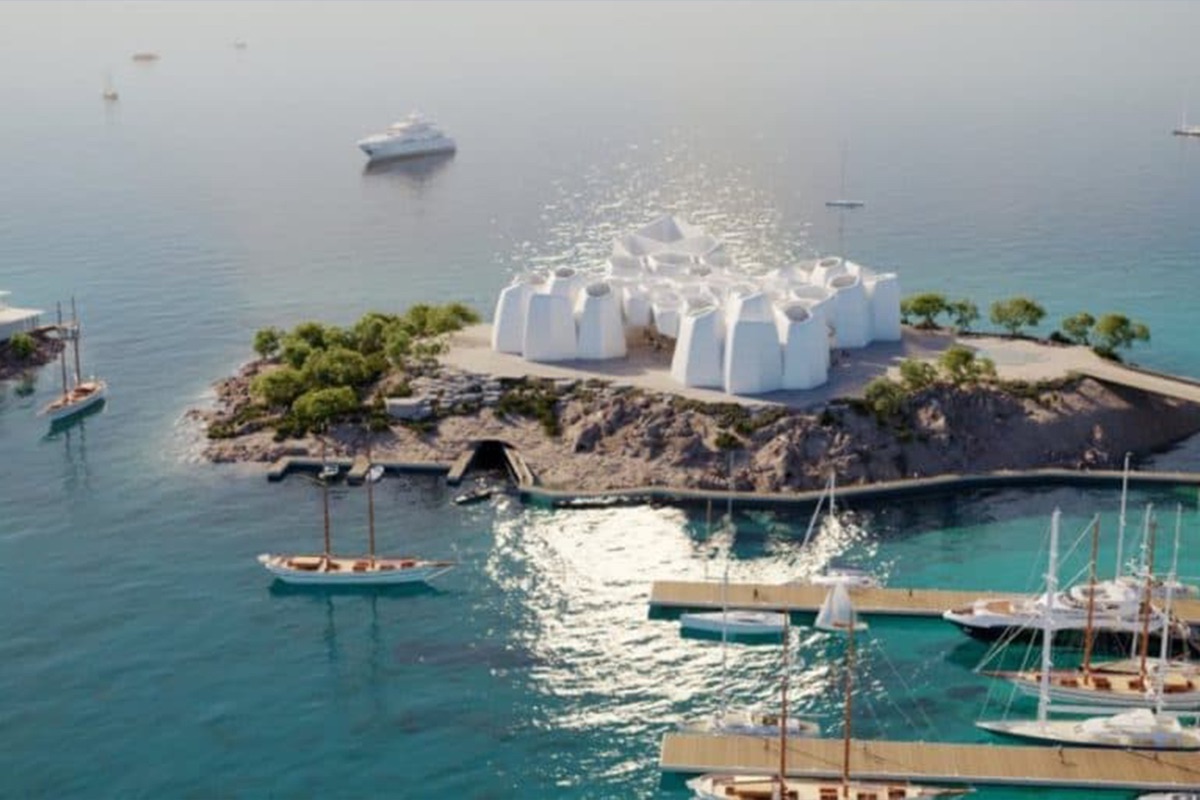
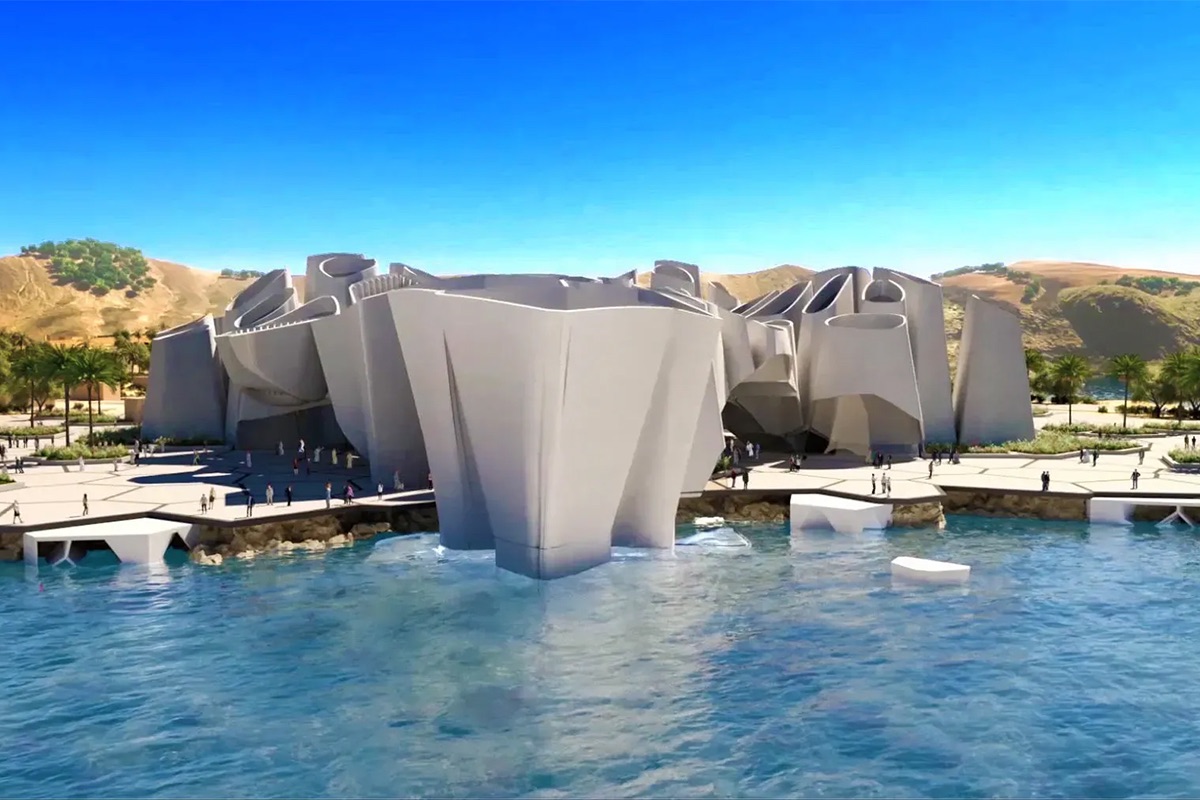
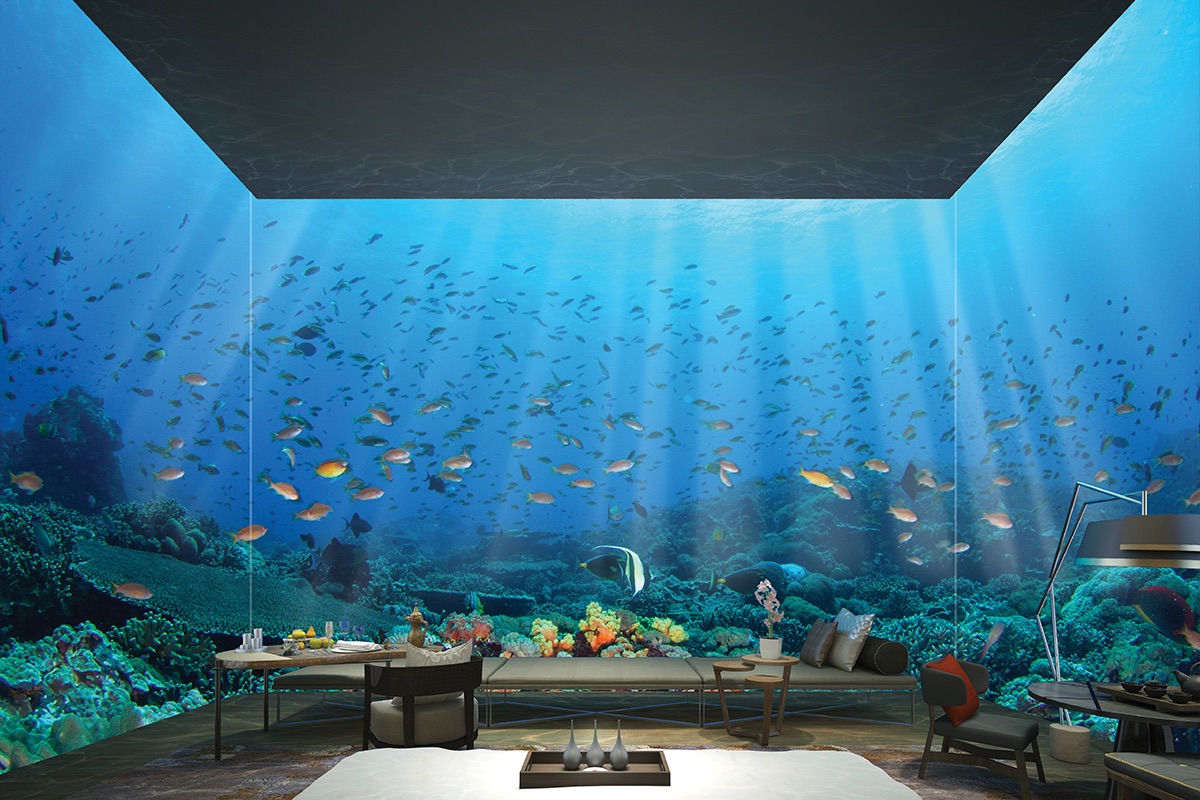
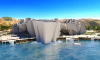
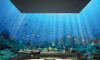
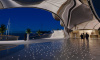
At the Red Sea Marine Life Institute, these conditions are not theoretical. The institute is part of AMAALA’s ambitious Red Sea development in Saudi Arabia and includes one of the world’s deepest live aquariums, reaching depths of up to 15 meters. Designed as a research and conservation facility, the project demanded lighting that could support marine life, enable scientific work, and remain reliable in one of the most aggressive marine environments on Earth.
When durability is the baseline, not an upgrade
The Red Sea’s high salinity accelerates corrosion.
Constant pressure stresses seals and materials.
And once a luminaire is installed underwater, access is limited and interventions are costly.
In environments like this, lighting systems often fail not because of poor concepts, but because real conditions expose weaknesses over time. Specifications alone are not enough. Long-term submersion, aggressive saltwater, and pressure require every component — from materials to connectors — to perform consistently for years.
For this project, durability was not an optional feature. It was the starting point for every design and engineering decision.
Execution is part of the design
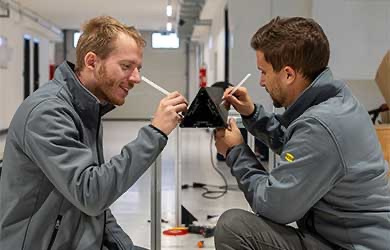
The underwater lighting scheme was developed in close collaboration with Delta Lighting Design, ensuring that conceptual intent translated into systems that could be installed, serviced, and maintained without disturbing the sensitive marine environment.
From the earliest stages, execution was treated as part of the design process. This included:
• custom product engineering adapted to real installation conditions
• marine-grade connectivity designed for underwater use
• solutions that allow long-term servicing without seabed disruption
In underwater projects, there is no room for “we’ll fix it later.” Once submerged, every overlooked detail becomes a long-term liability.
Light as a biological tool, not a visual effect
At the Red Sea Marine Life Institute, light is not decorative. It plays a biological role.
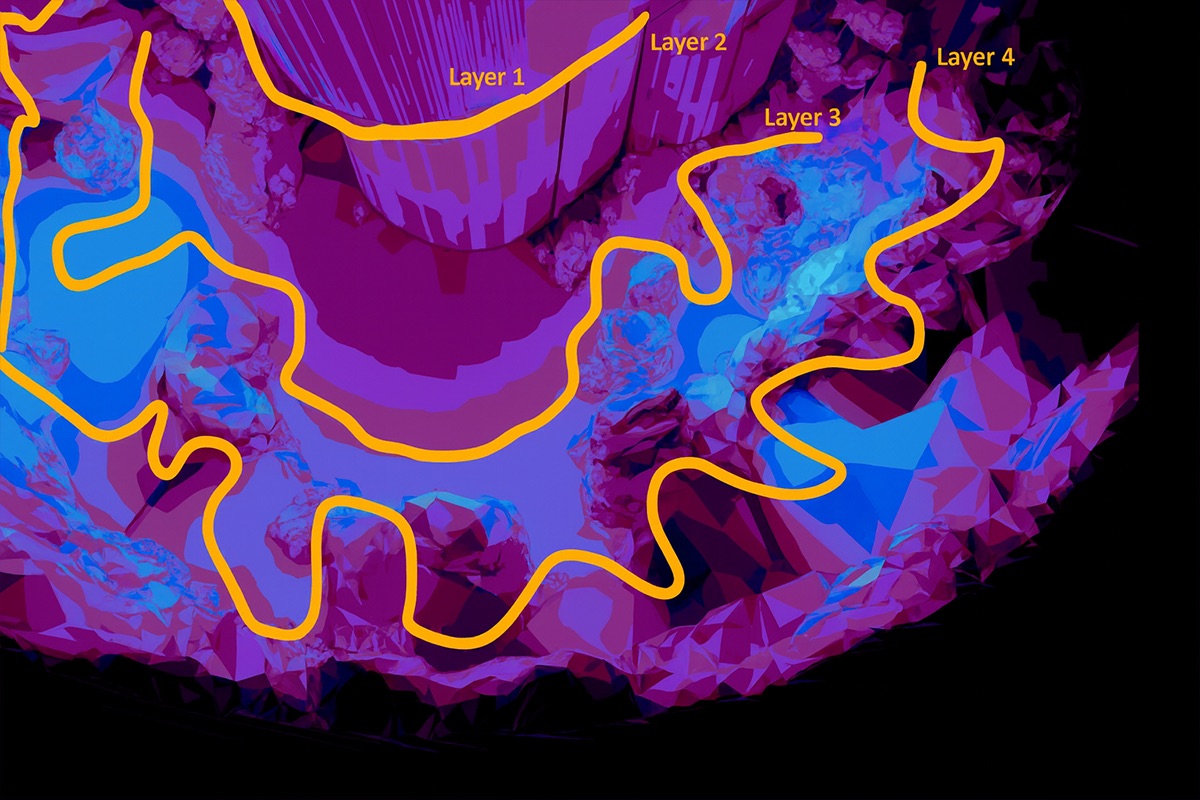
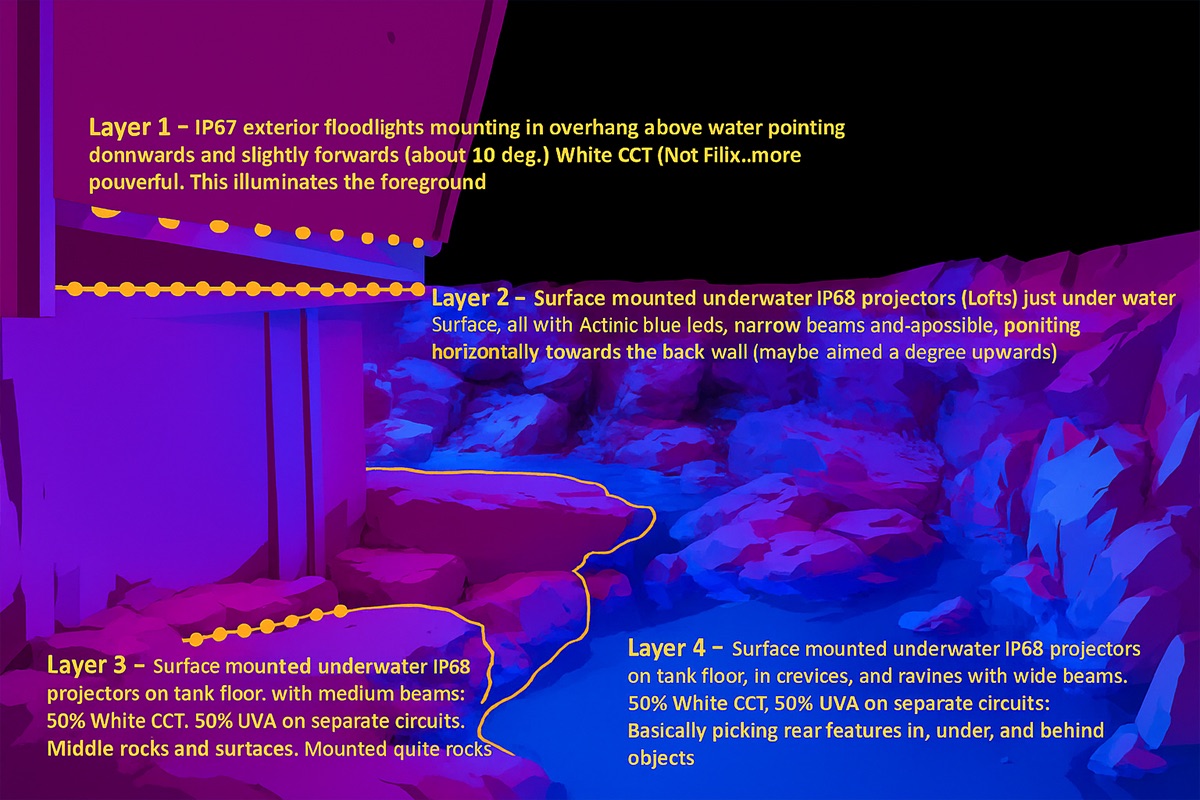
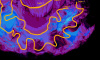
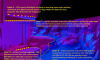
Corals are living organisms that rely on specific spectral conditions to photosynthesize and remain healthy. Replicating natural Red Sea light conditions at depth required precise control of spectrum — particularly actinic blue wavelengths around 420–430 nm — combined with carefully balanced white light to maintain visibility and colour fidelity for divers and researchers.
This project highlights a common challenge in underwater lighting: evaluating light by how it looks to the human eye rather than how it behaves underwater over time. Get the spectrum wrong, and coral growth slows. Get it right, and the ecosystem thrives.
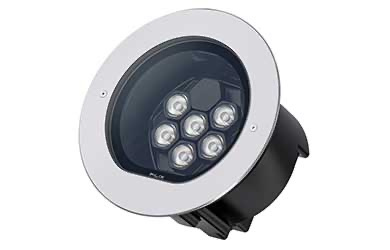
To meet these requirements, Filix supplied ARPOOL S, M and L, integrating custom spectral engineering into a single optical system designed for depth, pressure, and continuous submersion.
Built for environments that don’t forgive mistakes
Beyond spectral performance, the luminaires were engineered for extreme durability. IP68 sealing, IK10+ impact resistance, 316L stainless steel construction, and multilayer corrosion protection were essential to withstand years of exposure in the Red Sea. Installation-friendly connectivity ensured reliability while minimising disturbance to the surrounding ecosystem.
The result is a lighting system that supports marine life, enables research, and delivers an immersive experience — not by drawing attention to itself, but by quietly doing its job over time.
At the Red Sea Marine Life Institute, lighting becomes part of the ecosystem. And in environments like this, that is the only standard that matters.
-
 10 August 2026
Engineering Confidence: The Story Behind Filix
-
01 August 2026
FILIX RDT200 Named Most Innovative Product
-